Disposable Underwear, Pads, or Mesh? What to Actually Wear After Birth
Disposable underwear, mesh, or pads: our research-backed comparison, mapped to your bleeding stage, so you buy what you actually need, not everything.
Quick summary
Disposable underwear, mesh, or pads: our research-backed comparison, mapped to your bleeding stage, so you buy what you actually need, not everything.
Key takeaway
Take it one day at a time. You're doing better than you think.
The spirit
“It gets better, promise.”
BloomCare Editorial
Trusted pregnancy and postpartum educators
Somewhere between the registry and the hospital bag, almost nobody tells you the actual logistics question: what do you wear while you're bleeding more than you ever have in your life? The baby gear gets a whole aisle. Your own bottom half gets a footnote.
Here's the honest, slightly annoying answer: the disposable postpartum underwear vs. pads question doesn't have one winner, because your body isn't doing one thing for six weeks straight. Disposable underwear, mesh underwear, and ordinary pads all do the same basic job (holding something absorbent against a healing body), and most mamas end up using all three, just at different points.
This postpartum underwear guide is part of our complete guide to perineal care after birth, where the full healing routine lives. This page is just about what goes in your drawer (and your hospital bag), stage by stage.
BloomCare shares product research and education, not medical advice. Every recovery is different, and your provider knows yours best. For anything that worries you, that's always the right call.
The short answer: disposable postpartum underwear vs. pads (and mesh)
Disposable underwear, mesh underwear, and pads all hold something absorbent in place; they differ in coverage, reusability, and how they feel near a tender midsection. Most mamas wear disposable underwear or mesh underwear (with a pad tucked inside) through the heaviest first days, then switch to pads with their own underwear as bleeding tapers off over the following weeks.
Disposable underwear vs. mesh vs. pads, at a glance
| | Disposable postpartum underwear | Mesh underwear + a pad | Pads + your own underwear |
|---|---|---|---|
| What it actually is | A stretchy, throw-away brief built to hold a pad in place | A stretchy net brief, washed and reused a handful of times | A maternity pad worn in underwear you already own |
| Best for | The heaviest first days, especially after a C-section | The first week or two, if you don't want to keep buying disposables | Once bleeding has settled into a predictable pattern |
| Comfort near an incision | High-waisted stretch designed to sit clear of the incision line | Breathable stretch that doesn't press on tender skin | Depends entirely on your own underwear's waistband |
| How long one supply lasts | A single pack usually covers the heaviest week | Good for roughly a week of washes before the mesh thins out | Indefinitely: you're reusing underwear you already own |
| Once bleeding lightens | Most mamas stop reaching for these first | Wears out around the same time bleeding does anyway | This is where nearly everyone ends up |
Why the bleeding, not the product, sets the schedule
The reason this isn't a simple "best one" comparison is that postpartum bleeding (called lochia) genuinely changes character over the weeks, and what you're wearing just needs to keep up. According to Cleveland Clinic's guide to lochia, the first three to four days are the heaviest: bright or dark red, period-like, sometimes with small clots. From roughly day four through day twelve, it lightens and thins to pink or brown. After that, it typically fades to a light yellowish-white discharge that can continue on and off for up to six weeks.
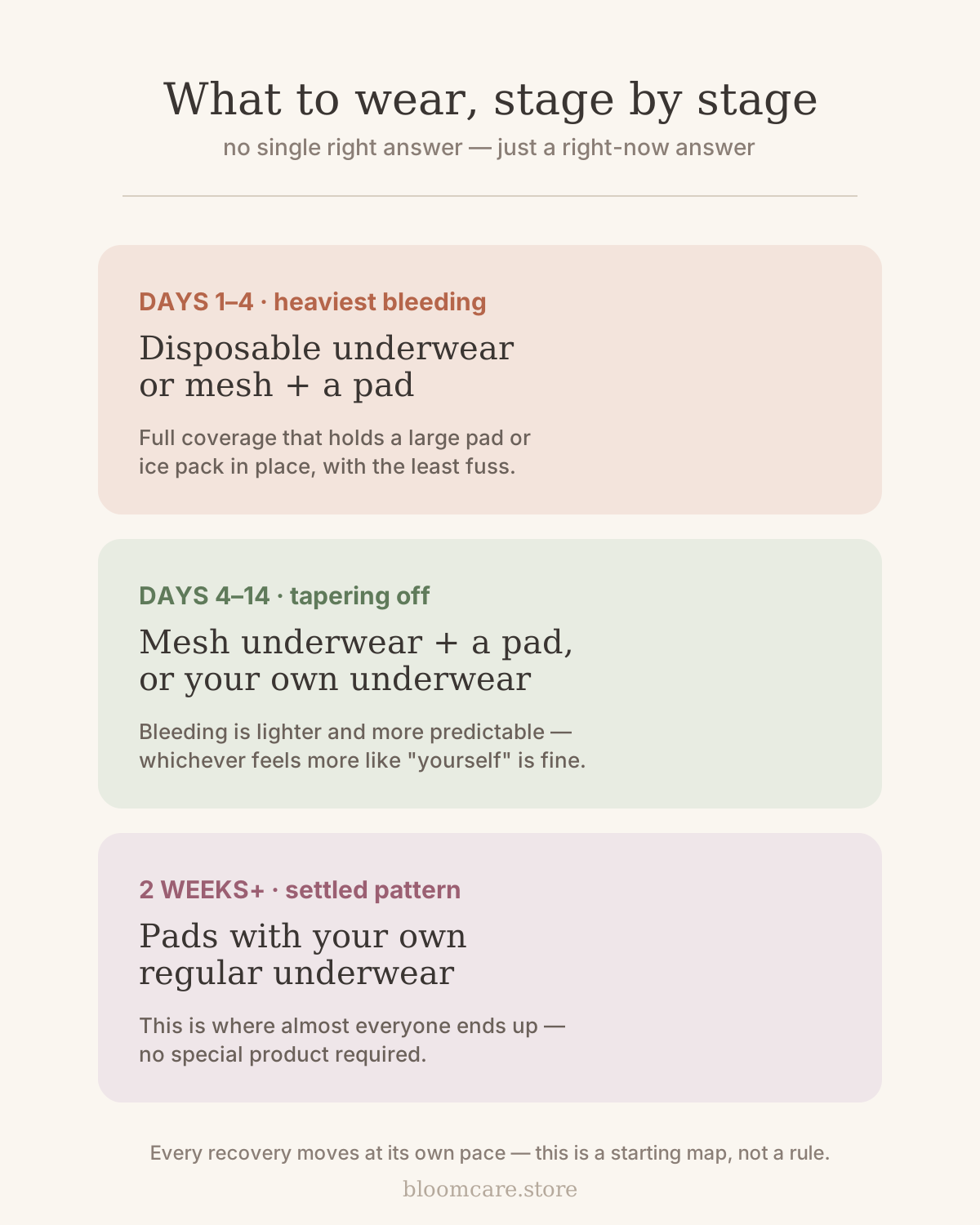
That's the whole logic of the stage map above: heavy and unpredictable calls for fuller coverage; light and predictable doesn't need it.
It's also worth knowing what isn't normal. Cleveland Clinic and ACOG's postpartum pain guidance both flag the same threshold: soaking through a pad in an hour or two, passing clots the size of a golf ball or larger, or noticing a foul odor or fever are reasons to call your provider, not just switch products. No underwear or pad choice changes that calculation. It's a call-your-provider situation regardless of what you're wearing.
How we researched this
We don't accept sponsorships and nobody pays for a spot on our lists. For this comparison, we read the pattern across thousands of Amazon reviews of the most-used disposable underwear, mesh underwear, and postpartum pads (including the one- and two-star reviews, which is usually where the honest complaints live) and checked every feature claim against the actual product listing. The verdicts below come from that review pattern, not from the marketing copy.
you don't have to figure this out perfectly on the first try
A quick, honest note: if you buy through links in this journal, BloomCare may earn a small commission, at no extra cost to you. Nobody pays for a place on our lists, and our research is done before we ever look at a link.
Our research: disposable underwear, mesh underwear, and pads compared
The heaviest-days pick: Frida Mom disposable postpartum underwear
What it is: An 8-pack of seamless, full-coverage disposable boyshort underwear made from a mesh-free microfiber and spandex blend. The stretchy, high-waisted design is built to hold large pads and ice packs securely in place, and the listing markets it for both vaginal-birth and C-section recovery.
What the reviews say: Across roughly 19,400 ratings, the recurring theme is that these feel more supportive and secure than the loose mesh underwear hospitals send home with you, especially for holding oversized pads or ice packs in place. Durability is a genuinely mixed pattern: plenty of reviewers say a pair holds up fine for a full day, but a repeating minority report they tear with repeated up-and-down, and a smaller group with sensitive skin mention irritation with longer wear.
Worth it if: You want full, secure coverage for the heaviest days and don't want to think about laundering anything. Skip it if: You have very sensitive or reactive skin, or the free hospital mesh underwear already covers you fine. These earn their keep in the first one to two heavy-use weeks, not as a wardrobe staple.
See the Frida Mom disposable postpartum underwear
The wash-and-reuse pick: mesh postpartum underwear
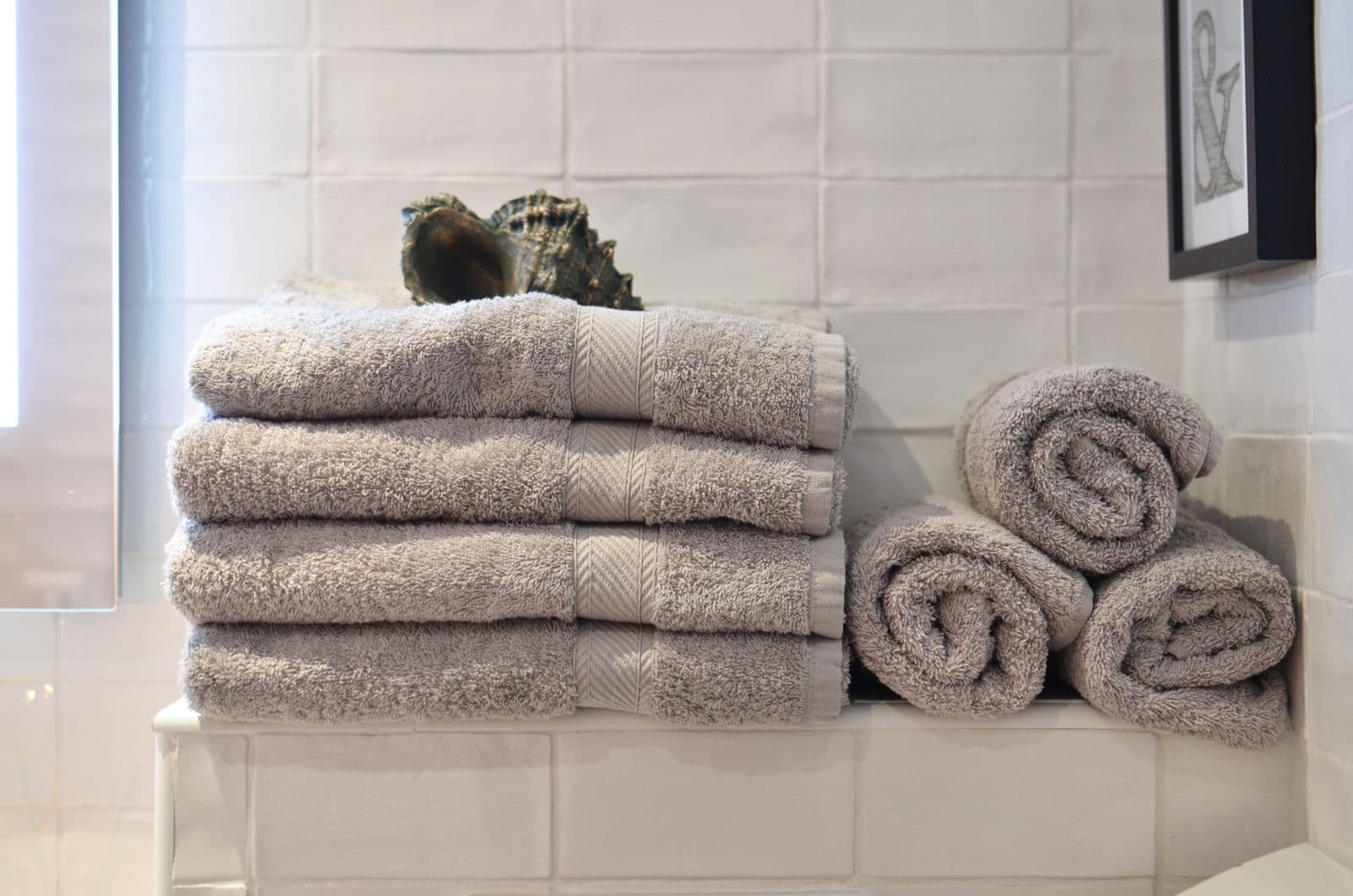
If you're picturing the mesh underwear postpartum wards send new mothers home in, you're picturing the garment below: the same basic style, just reusable and sold by the dozen for the weeks after.
What it is: A pack of high-waisted, seamless stretch-mesh briefs: the same basic style hospitals hand out, sized up. Latex-free and stretchy, the mesh holds a pad, ice pack, or padsicle in place without pressing on a C-section incision line or a still-swollen midsection. The listing frames it as reusable for roughly three to five gentle washes before replacing.
What the reviews say: Across roughly 2,441 ratings, several reviewers who'd also tried diaper-style disposable underwear specifically preferred the mesh for breathing cooler and irritating less, including over a fresh C-section incision. The honest limit shows up in the fabric itself: the sheer mesh thins or frays with repeated washing, matching the listing's own short-reuse framing, and sizing runs mixed enough that a number of reviewers sized up from the chart.
Worth it if: You'd rather wash and reuse a handful of times than restock disposables, or you specifically want a breathable option over a tender incision. Skip it if: You want one item to last your whole recovery: mesh is built for roughly a week of washes, not six weeks of daily wear.
The everyday pick once bleeding settles: Lansinoh postpartum maxi pads
What it is: A 40-count bundle of maternity pads in two sizes (22 extra-large, heavy-absorbency pads for the earliest days and 18 medium pads for lighter flow), with wings that wrap around whatever underwear you're already wearing, mesh or your own. Individually wrapped and fragrance-free.
What the reviews say: Across roughly 480 ratings, the dominant praise is strong absorbency in a surprisingly thin pad. Several reviewers specifically contrast them against regular period pads that leaked through in the same situation. Having two sizes in one box draws repeat praise for letting mamas step down from heavy to light flow without switching products. The honest limit: the two sizes are fixed in one bundle ratio, so you can't buy a box of just the size you end up using most, and a couple of reviewers felt the heaviest pad was better suited to about a week postpartum onward rather than the very first, heaviest days.
Worth it if: Bleeding has settled into something closer to a heavy period, and you're ready to wear your own underwear again. Skip it if: You know you'll mostly want a single size: you'll pay for a size mix you may barely touch.
See the Lansinoh postpartum maxi pads bundle
Which one, and when: the stage-by-stage answer
Strip away the marketing and the honest sequence most mamas land on looks like this:
- Days 1–4 (the heaviest days): Disposable underwear or mesh underwear, whichever feels better against your body; both exist to hold full coverage in place while you're bleeding the most and moving the least.
- Days 4–14 (tapering): Mesh underwear if you're still using it, or a switch back to your own underwear with a pad, as bleeding lightens and the day-to-day logistics matter less.
- Two weeks and beyond: Pads with your own underwear. This is where almost everyone ends up, and it's not a downgrade; it's just what the lighter, more predictable stage of lochia actually calls for.
Recovering from a C-section instead of a vaginal birth? The same three options apply, but fit near the incision matters more: start with our C-section recovery kit checklist for the fuller picture on binders, underwear, and incision care together.
None of this is about which product "wins." Our list of postpartum products you can skip runs on the same principle: buy for the stage you're actually in, not the whole registry at once.
Questions mamas actually ask
How many disposable postpartum underwear do I actually need?
Most mamas go through one to two pairs a day during the heaviest first three to five days, so a pack of ten to twelve is usually plenty to get through that stretch before you move to mesh or pads.
Is mesh underwear necessary, or can I just use pads and my own underwear?
You can skip mesh entirely and go straight to pads with your own underwear if you'd rather: mesh is a comfort and convenience layer, not a medical requirement. It just tends to feel better than tight regular underwear in the first days when everything is swollen and tender.
Can I just wear Depends after birth instead of maternity-specific options?
Plenty of mamas do, and a general incontinence brief works on the same basic principle as postpartum-specific disposable underwear. The main trade-off is fit and coverage designed around postpartum swelling and pad size: postpartum-specific options tend to sit higher and stretch more generously through the hips and lower belly.
How long do you wear postpartum underwear before switching to pads?
Most mamas use disposable or mesh underwear heavily for the first one to two weeks, while bleeding is at its heaviest and least predictable, then transition to pads with regular underwear as things settle. There's no fixed deadline; let your own bleeding pattern be the guide, not a calendar.
Do I need to buy all three, or can I just pick one?
You can absolutely land on one option and stay there if it's working: plenty of mamas skip mesh or disposables entirely and go straight to pads with their own underwear from day one. The three-stage map above is a starting point, not a requirement.
Keep reading
- Start here: Perineal care after birth: a gentle, complete guide to healing: the full routine this decision belongs to
- Postpartum bleeding, week by week: what's typical and what you'll need: the fuller picture behind the stage map above
- How to make padsicles, step by step: the cooling layer that pairs with whatever you're wearing
Last reviewed: July 14, 2026 by the BloomCare Editorial Team. We re-review guides every 90 days.
Sources
continue reading
you might also like