How to Make Padsicles: The Step-by-Step Guide
The exact padsicle recipe (witch hazel, aloe, and overnight pads), plus how many to make, when to freeze them, and how long they last, cited and honest.
Quick summary
The exact padsicle recipe (witch hazel, aloe, and overnight pads), plus how many to make, when to freeze them, and how long they last, cited and honest.
Key takeaway
Take it one day at a time. You're doing better than you think.
The spirit
“It gets better, promise.”
BloomCare Editorial
Trusted pregnancy and postpartum educators
If you've landed here searching for how to make padsicles, you're probably deep in third-trimester nesting mode, and that instinct is a good one. Nobody mentions, in nine months of birth classes, that the days right after delivery involve ice, witch hazel, and a maxi pad doing double duty as a cold compress. It's also one of the simplest, most effective things you can pack into your freezer before your due date, made from what you likely already have on your list.
A padsicle is exactly what it sounds like: an overnight pad soaked in witch hazel and aloe, then frozen solid, so it's ready to slide into your underwear the moment you need relief. This guide is part of our complete guide to perineal care after birth, and covers just this one recipe, properly, with the timing and safety details most lists skip.
You don't need the thirty pads some corners of the internet insist on, and you don't need a special trip to a birthing-specific store. Here's the exact recipe, how many to actually make, and when to start.
BloomCare shares product research and education, not medical advice. Every recovery is different, and your provider knows yours best. For anything that worries you, that's always the right call.
What you'll need
Keep it simple: this recipe needs three ingredients, plus a freezer.
A quick, honest note: if you buy through links in this journal, BloomCare may earn a small commission, at no extra cost to you. Nobody pays for a place on our lists, and our research is done before we ever look at a link.
- Overnight pads. Full-size, extra-absorbent overnight pads work best: you want maximum surface area to hold the liquid. We checked the review pattern behind the Always Maxi Overnight Pads, Size 5 for this guide; any full-size overnight pad does the job.
- Witch hazel. Either a bottle of liquid witch hazel, or pre-soaked witch hazel pads if you'd rather skip the pouring and measuring; witch hazel pads like these layer directly onto the maxi pad and work the same way.
- Pure aloe vera gel, alcohol-free. Alcohol dries and irritates healing skin, which defeats the point.
- A gallon freezer bag or airtight container.
Why witch hazel and aloe
Witch hazel is an astringent, and its consumer drug-facts labeling states it helps relieve pain, swelling, and irritation from childbirth: that's the ingredient doing the real work here, per NIH's DailyMed listing for a witch hazel perineal pad product. Aloe vera doesn't have that same evidence behind it for perineal use specifically; most recipes include it simply for the extra moisture and soothing feel, and we're not going to oversell it as more than that.
How to make padsicles
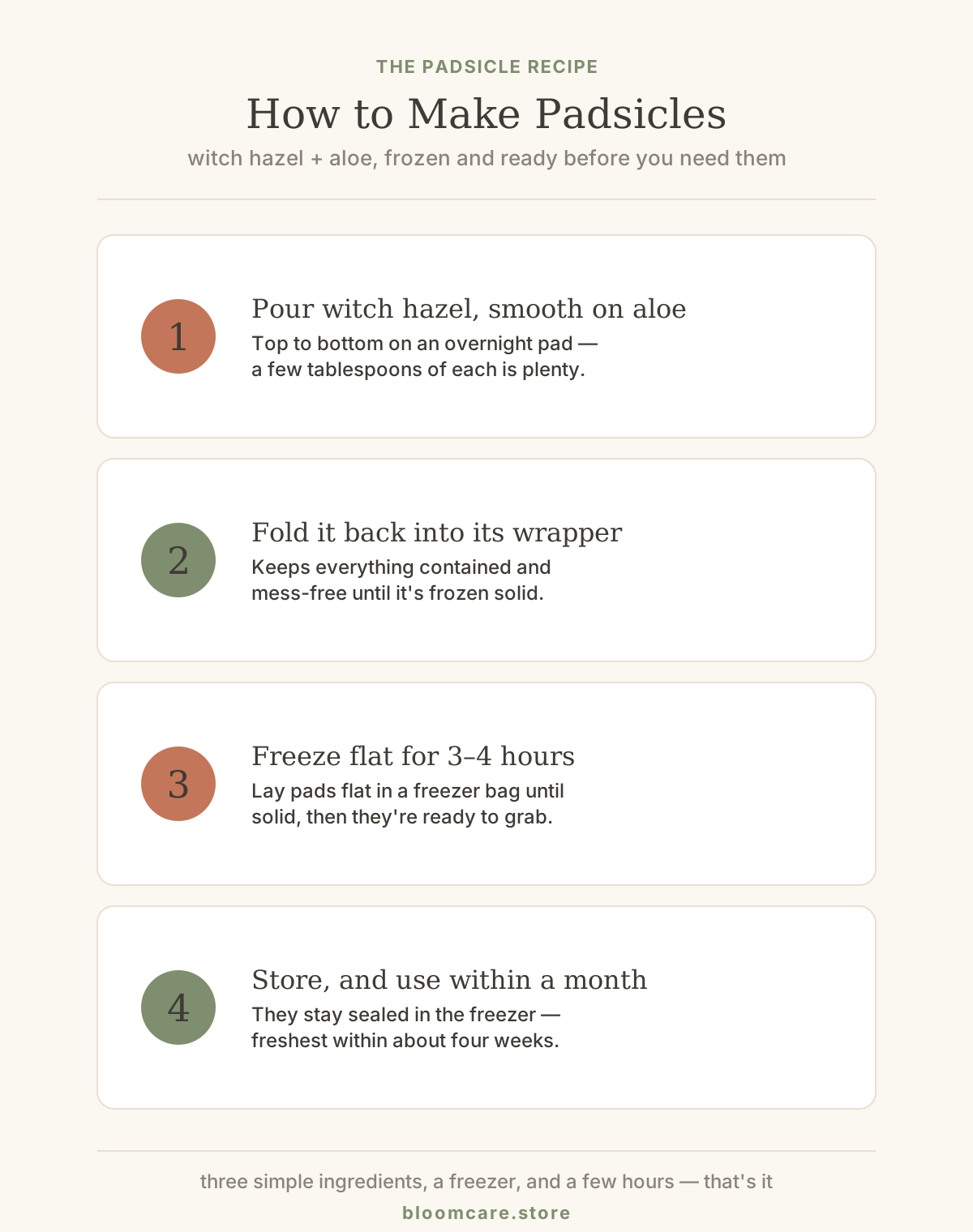
The padsicles recipe, step by step:
- Open one pad's wings, but leave it attached to its adhesive backing and wrapper.
- Pour witch hazel evenly down the pad, from top to bottom: a few tablespoons is plenty. (Using witch hazel pads instead of liquid? Lay one or two on top of the maxi pad here instead of pouring.)
- Smooth on a thin layer of aloe vera gel over the witch hazel.
- Fold the wings back over the pad, using the original wrapper to keep everything contained and mess-free.
- Repeat with the rest of your pads.
- Lay the wrapped pads flat in a freezer bag or airtight container.
- Freeze for at least 3 to 4 hours, until solid.
- Move a few to your bathroom or bedside as you need them, and keep the rest frozen until then.
When to make padsicles before birth (and how many)
The best time to build your stash is your third trimester: most people start around 36 weeks, so a batch is ready and waiting no matter when labor starts.
How many you need depends on how you plan to use them. Swelling and soreness are typically worst in the first day or two after a vaginal birth, and MedlinePlus's episiotomy aftercare guidance notes that using a cold pack in the first 24 hours after birth helps reduce swelling and ease pain. A dozen or so covers that stretch with a few to spare. If you'd rather not run out, a batch of 20 to 30 gives you a pad for every underwear change through the first week or two.
Once frozen, padsicles keep well for several weeks. Most people plan to use theirs within about a month, while the witch hazel and aloe are freshest; a padsicle that's sat in the freezer a little longer isn't unsafe, just less potent. Keep the bag sealed so nothing picks up freezer odors.
Research on cooling specifically for perineal comfort is thinner than you'd expect: one review of the evidence found some studies showing cooling eases pain and inflammation, but called the overall evidence quality low. Think of a padsicle as a genuinely soothing comfort measure, not a guaranteed fix.
How to use a padsicle safely
Straight from the freezer, a padsicle is very cold: treat it like any other cold therapy. Cleveland Clinic's guidance on icing recommends capping any single cold application at 10 to 20 minutes, with a cloth or barrier between the ice and skin to avoid frostbite or nerve irritation. A padsicle's own pad material provides some of that barrier already, but avoid pressing a fully frozen one directly against bare skin for longer stretches; give your skin a break to warm back up before the next one.
Call your provider if: pain gets worse instead of better, you notice a discharge with a bad odor, your stitches or incision start to separate, or you pass a blood clot larger than a walnut; MedlinePlus lists these among the signs it's time to check in, and a padsicle won't fix any of them.
DIY postpartum ice pads: how padsicles compare
A padsicle isn't the only tool for this stage of recovery, and it's not a competition; most mamas end up using a few in rotation.
- Sitz baths work differently: warm water for a soak, versus a padsicle's direct cold compress. Many routines use both: a sitz bath after a bathroom trip, a padsicle in between. Our sitz bath guide covers how often and what, if anything, to add.
- A peri bottle handles the rinse-and-clean part of the routine that a padsicle doesn't touch at all; see our peri bottle comparison if you haven't picked one yet.
- What holds it in place: snug disposable or mesh underwear keeps a padsicle from shifting once you're up and moving; our disposable underwear vs. pads vs. mesh guide walks through which to pack for which week.
- Store-bought cooling pads (the pre-soaked witch hazel kind) skip the freezer-prep step entirely, at the cost of buying them pre-made. If a DIY project a few weeks before your due date sounds like one more thing, that's a completely reasonable trade; witch hazel pads like these do a similar job with no assembly required.
you're allowed to make more of these than you think you'll need
Questions mamas actually ask
How many padsicles should I make?
Recipes online range anywhere from half a dozen to thirty. A realistic starting batch is about 10 to 15, enough to cover the first few days when soreness typically peaks, with ingredients still on hand to freeze a second batch if you need it. There's no wrong number; making more just means fewer refill trips later.
When should I make padsicles before birth?
Most people build their stash in the third trimester, around 36 weeks, so it's ready no matter when labor starts. Padsicles keep well in the freezer, so making them a few weeks early doesn't waste anything, even if your due date moves. If labor comes on suddenly and you never got around to it, a plain cold pack or the store-bought version works as a stand-in; you're not behind.
How long do padsicles last in the freezer?
They're ready to use after about 3 to 4 hours, and most people plan to use their batch within a month while the witch hazel and aloe are freshest. Sealed in a freezer bag, they won't spoil; they'll just be a little less potent the longer they sit.
Can I use a padsicle after a C-section?
If you labored or pushed before an unplanned C-section, perineal swelling can still apply, and a padsicle can still help. If you had a planned C-section with no labor, your recovery centers on the incision instead, which a padsicle doesn't address; cold therapy for that is a different routine your provider can guide you through.
Do padsicles work as well as store-bought cooling pads?
Both use the same active ingredient (witch hazel), so nothing about the ingredients is different. The real trade-off is time: a padsicle takes prep and a few hours in the freezer, while a pre-made witch hazel pad is ready the moment you open the box. Neither is the better choice; it's a question of whether you'd rather spend a Sunday afternoon assembling a batch or skip the assembly entirely.
Keep reading
- Start here: Perineal care after birth: a gentle, complete guide to healing: the full routine this recipe belongs to
- Disposable underwear, pads, or mesh? What to actually wear after birth: what holds a padsicle snugly in place
- Peri bottles, compared: upside-down vs. hospital-style: the rinse-and-clean half of the comfort routine
Last reviewed: July 14, 2026 by the BloomCare Editorial Team. We re-review guides every 90 days.
Sources
continue reading
you might also like