Nipple Cream, Explained: Lanolin vs. Lanolin-Free (and When You Need Neither)
Lanolin vs. lanolin-free nipple cream: our research on what soothes sore nipples, whether lanolin is safe for baby, and when cream alone won't fix the pain.
Quick summary
Lanolin vs. lanolin-free nipple cream: our research on what soothes sore nipples, whether lanolin is safe for baby, and when cream alone won't fix the pain.
Key takeaway
Take it one day at a time. You're doing better than you think.
The spirit
“It gets better, promise.”
BloomCare Editorial
Trusted pregnancy and postpartum educators
Nobody warns you that breastfeeding might hurt before it gets easier. If you're standing in the nursing aisle stuck on the lanolin vs. lanolin-free nipple cream question, you're not doing anything wrong: sore nipples in the first couple of weeks are common, and most new moms end up holding two tubes, unsure which one actually helps.
Here's the honest version up front: both kinds work for most people, and the right one usually comes down to ingredients, not effectiveness. Lanolin is the old standard, purified from wool and the one topical treatment lactation groups have endorsed for decades. Lanolin-free balms swap that for plant oils and beeswax, which matters if you have a wool allergy, prefer vegan ingredients, or just want a lighter feel.
This guide is part of our breastfeeding and pumping essentials checklist, where the full gear list lives. This page covers just the cream decision, plus the one thing no cream can fix.
BloomCare shares product research and education, not medical advice. Every recovery is different, and your provider knows yours best. For anything that worries you, that's always the right call.
The short answer
Lanolin is a single-ingredient, purified wool-derived balm and the longtime standard lactation consultants recommend for sore or cracked nipples, safe to leave on during feeds. Lanolin-free balms swap in plant oils, beeswax, and shea butter, working just as well for most people, and are the better choice with a wool allergy or a preference for vegan ingredients.
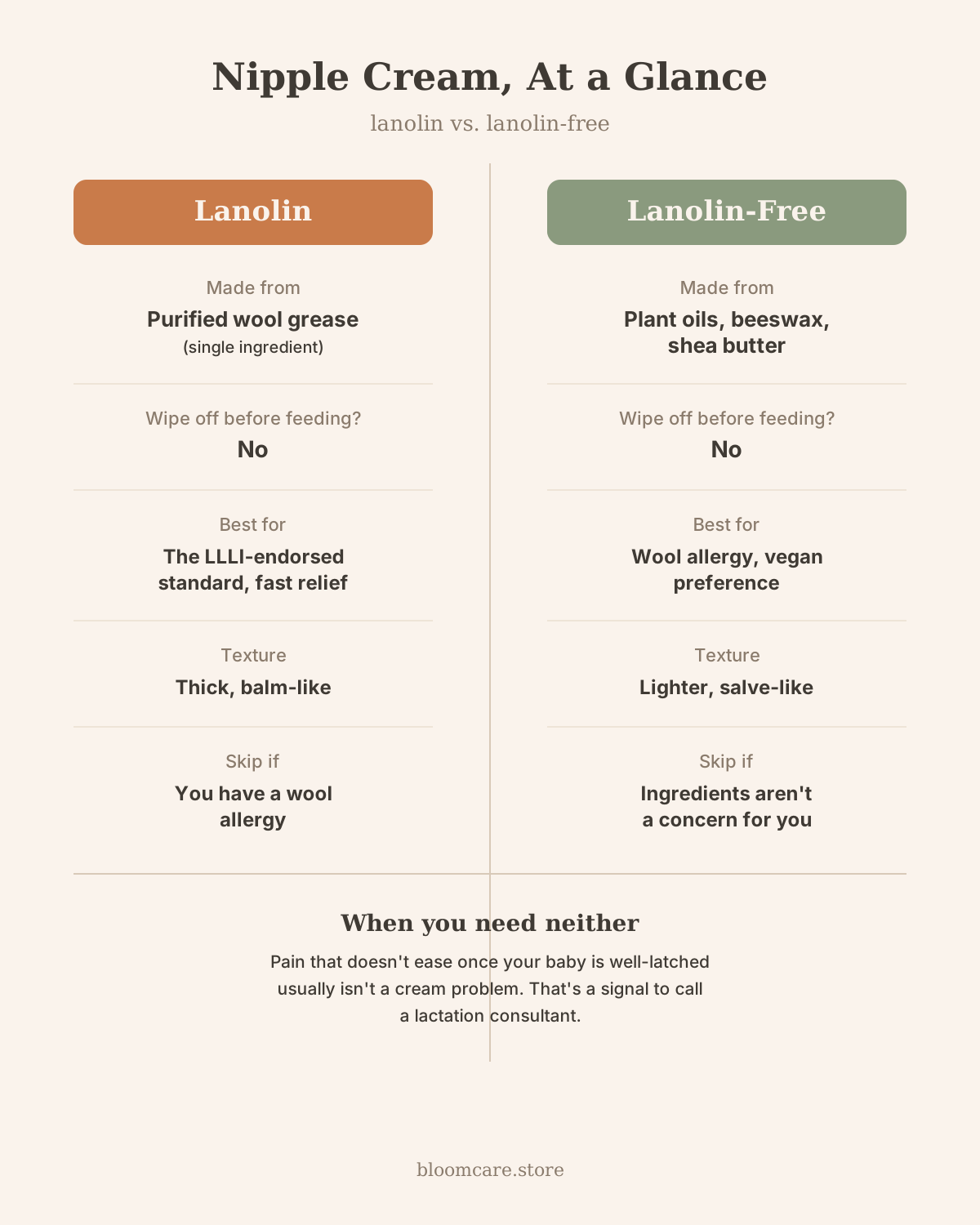
Lanolin vs. lanolin-free nipple cream at a glance
| | Lanolin | Lanolin-free |
|---|---|---|
| Made from | Purified wool grease (single ingredient) | Plant oils, beeswax, shea butter |
| Wipe off before feeding? | No | No (always check the label) |
| Best for | Fast, proven relief; the deepest review base | Wool allergy, vegan preference, lighter texture |
| Texture | Thick, balm-like | Lighter, more like a salve |
| Skip it if | You have a wool allergy | Ingredients aren't a concern for you either way |
Why nipples get sore in the first place
In the first few weeks, nipples can be sore or sensitive as they adjust to a new baby's sucking, and that's genuinely normal. What isn't normal: pain through the whole feed once your baby is well-latched. The CDC notes that pain like that usually points to an improper latch, a clogged duct, or a breast infection, not something a cream alone will resolve. Cream soothes the skin. It doesn't treat the cause underneath it.
That distinction is the reason this guide exists: which cream you pick matters less than most product pages suggest, and knowing when cream isn't the answer matters more.
How we researched this
We don't take sponsorships, and nobody pays for a spot on our lists. For this comparison, we read the pattern across tens of thousands of Amazon reviews for the most-used lanolin and lanolin-free creams, including the one- and two-star reviews, and checked every ingredient claim against the listing itself. Facts about each product below come from its listing; the verdicts come from that review pattern.
a little relief goes a long way at 3 a.m.
A quick, honest note: if you buy through links in this journal, BloomCare may earn a small commission, at no extra cost to you. Nobody pays for a place on our lists, and our research is done before we ever look at a link.
Our research: lanolin vs. lanolin-free nipple cream
The lanolin standard: Lansinoh Lanolin Nipple Cream
What it is: A 1.41 oz tube of 100% natural, ultra-purified lanolin, a single ingredient per the listing. It's fragrance-free, doesn't need to be removed before breastfeeding, and the directions call for a pea-sized amount after each feeding or as needed.
What the reviews say: Across roughly 54,000 ratings, reviewers consistently describe fast, real relief for sore and cracked nipples, often noticeable after the first use, and value that it's safe to leave on during a feed. The recurring split is texture preference: some reviewers love the thick, protective feel, others find it heavier and greasier than they'd like. A few say it needs a minute of warming in cold weather before it spreads easily.
Worth it if: You want the single most-reviewed option in this category, and texture doesn't bother you. Skip it if: You have a wool or lanolin allergy, or you'd rather avoid animal-derived ingredients entirely: a lanolin-free cream does the same job.
See the Lansinoh Lanolin Nipple Cream
The lanolin-free pick: Motherlove Nipple Cream
Some moms look for a nipple balm without lanolin for a specific reason: a known wool allergy, a vegan preference, or concerns about pesticide residue on unprocessed sheep's wool. NIH's LactMed database notes that even highly purified lanolin should be avoided by anyone with a known wool allergy, which is the one caution worth taking seriously either way.
What it is: A 2 fl oz jar of organic herbal balm made from extra virgin olive oil, beeswax, shea butter, marshmallow root, and calendula flower, all certified organic per the listing. The brand states the formula never includes lanolin, zinc oxide, petroleum, or synthetic fragrance, and it doesn't need to be wiped off before a feed.
What the reviews say: Across roughly 16,200 ratings, the pattern is consistently about fast relief and a texture reviewers describe as smooth rather than greasy, with a notable number directly comparing it to lanolin and saying they switched permanently. Several mention a provider or lactation consultant recommended it. The honest limit that repeats: it's described as better at soothing and preventing soreness than at fast-healing nipples that are already cracked or bleeding, where reviewers describe more gradual improvement.
Worth it if: You want lanolin out of the picture entirely and you're willing to trade a small amount of review volume for that. Skip it if: Nipples are already cracked and bleeding and you want the fastest healing track record available: the lanolin pick above has the deeper evidence there.
See the Motherlove Nipple Cream
The lanolin-free alternative: Lansinoh Organic Nipple Butter
What it is: A 2 oz jar made with certified organic sunflower seed oil, olive fruit oil, beeswax, coconut oil, shea butter, calendula flower extract, and argan kernel oil. The listing states no petroleum, parabens, additives, or preservatives, and no scent or taste, so babies don't notice it during a feed. It's the lanolin-free version from the same brand behind the lanolin pick above.
What the reviews say: Across roughly 13,200 ratings, reviewers describe strong, quick relief for soreness and dryness, with repeated praise for how easily it glides on as a pumping lubricant without needing to be rubbed in. Amazon's own review synthesis notes mixed feedback on consistency, with some reviewers finding it thick and others thin, though effectiveness itself draws little complaint. It carries a much smaller review base than the brand's own lanolin cream, so the pattern, while positive, is thinner.
Worth it if: You already trust this brand's lanolin cream and want the same brand without the lanolin. Skip it if: Consistency matters a lot to you, or you're not avoiding lanolin for any particular reason, in which case there's no need to pay extra for the organic version.
See the Lansinoh Organic Nipple Butter
Which one is right for you
There's no single best nipple cream for breastfeeding that works for everyone, and that's genuinely good news: it means the decision comes down to your situation, not a ranking. If nothing about lanolin bothers you, start there. It has the deepest review base in this category by a wide margin, and the pattern across tens of thousands of reviewers is consistent: real relief, safe to leave on, and no need to overthink it.
Reach for a lanolin-free balm if you have a wool allergy, you're vegan, or you simply prefer a lighter, plant-based feel. Between the two lanolin-free picks here, Motherlove has the deeper, category-specific review history; the Lansinoh Organic option makes more sense if you already trust that brand's lanolin cream and want to stay in the family.
If you're also building out the rest of your gear, our breastfeeding and pumping essentials checklist covers what else is worth buying, and our disposable vs. reusable nursing pads comparison tackles the other question most nursing moms hit in the first week.
When you need neither: what cream can't fix
it's okay to ask for help before you feel desperate
Cream treats soreness. It was never going to fix a latch. The CDC recommends talking to a lactation consultant or your doctor or nurse if you have cracked or damaged nipple skin, or if pain doesn't improve over the first one to two weeks. La Leche League adds a similar note: if soreness persists despite good positioning and a cream that's working for most people, it's worth having a lactation consultant actually watch a feed.
Pain that spikes through an entire feeding, rather than easing once your baby latches, is the clearest sign it's a positioning issue rather than a cream issue. No product on this page, or any page, replaces a trained set of eyes on the actual latch.
Questions mamas actually ask
Is lanolin safe for my baby?
Yes. NIH's LactMed database reports no documented risk to breastfed infants from lanolin use, and highly purified formulas made for nursing have pesticide and detergent residues removed in processing. The one real caution: skip lanolin if you have a known wool allergy.
Do I need to wipe nipple cream off before nursing?
For the creams in this guide, no. La Leche League notes that purified lanolin doesn't need to be removed before feeding, and the lanolin-free balms here are formulated the same way. Always check your specific product's label, since not every cream on the market is labeled feed-safe.
When should I start using nipple cream?
Most moms start in the first days of breastfeeding, whether or not soreness has begun yet, since some tenderness while nipples adjust is common in the first few weeks. Reapply after feeds or pumping sessions, or whenever skin feels dry or tender.
What if my nipples still hurt even with cream?
That's usually not a cream problem. The CDC advises contacting a lactation consultant or your doctor if pain doesn't improve within one to two weeks, or if skin is cracked or damaged. Persistent pain, especially through the whole feed, usually points to a latch or positioning issue that a lactation consultant can assess in person.
Keep reading
- Start here: Breastfeeding and pumping essentials: what you need, what can wait: the full gear list this cream decision belongs to
- The fourth trimester is real: what actually happens to your body after birth: the bigger picture behind why early breastfeeding feels so hard
- C-section recovery, week by week: what to expect: for the stage-by-stage format this page borrows, if you're also healing from surgery
Last reviewed: July 14, 2026 by the BloomCare Editorial Team. We re-review guides every 90 days.
Sources
continue reading
you might also like